Beach Sandals Seashell Ocean Tumbler PNG Review
As someone who has spent years evaluating digital assets for real-world embroidery projects, I often find myself skeptical of designs that look perfect on a screen but fall apart under the needle. When I first laid eyes on the Beach Sandals Seashell Ocean Tumbler PNG, my initial reaction was one of curiosity rather than immediate excitement. The concept is undeniably summery and evocative, capturing that specific coastal vibe we all love during the warmer months. However, the true test of any design isn't how it looks in a high-resolution preview, but how it translates into a tangible, stitched reality.
This review breaks down exactly how this graphic performs when moved from a digital file to a physical product. Whether you are an Etsy seller looking to expand your summer collection or a hobbyist preparing a personalized gift, understanding the nuances of this machine embroidery design is crucial before you commit to a production run.
The First Impression: Mood and Visual Personality
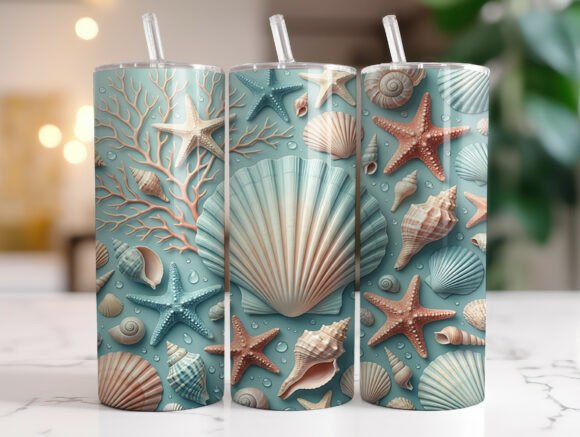
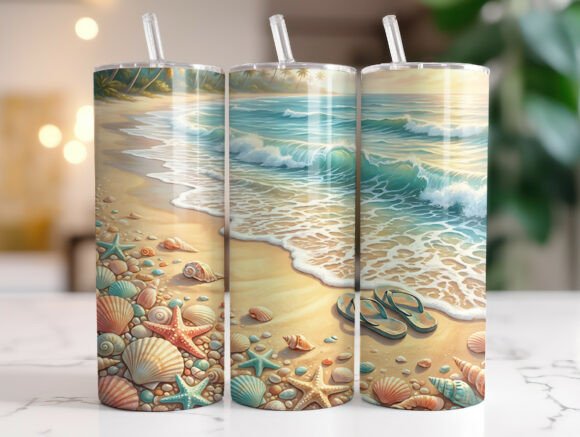
The Beach Sandals Seashell Ocean Tumbler PNG immediately establishes a relaxed, vacation-ready atmosphere. The composition features classic beach elements—sandals resting on sand with seashells scattered around—that suggest a slow pace and a connection to nature. Visually, the layout is balanced, avoiding the cluttered feel that often plagues busy summer graphics. For a designer, this clarity is a huge plus.
However, because this is a PNG file intended for use as a Graphics asset, likely for tumbler wraps or as a base for digitizing, the detail level becomes the critical factor. In my experience, designs with fine lines and intricate textures like sand grains or shell ridges can sometimes get lost if the stitch density isn't managed correctly. The "Ocean" theme implies fluid shapes, which can be tricky to replicate in thread without losing definition. If the original artist hasn't optimized the vector paths or provided a clear digitized version, there is a risk of the design appearing muddy once stitched onto fabric.
Real-World Application: A Summer Boutique Scenario
To truly understand the potential of this design, let's imagine a practical scenario. Suppose you own a small boutique shop and want to launch a limited-edition line of custom embroidered tote bags for the upcoming beach season. You decide to use the Beach Sandals Seashell Ocean Tumbler PNG as the centerpiece for these bags. The goal is to create a product that feels artisanal and handmade, appealing to customers who value unique, locally made goods.
In this context, the design needs to hold up against the rigors of daily use. A tote bag is subject to friction, weight, and frequent washing. If the design is too dense, it might cause the canvas fabric to pucker, ruining the professional look of the bag. Conversely, if the stitches are too sparse, the image might lack the richness required to justify a higher price point. I would recommend testing this design on a scrap piece of heavy-duty cotton canvas first. The contrast between the dark straps of the sandals and the lighter sand background could look stunning if the thread colors are chosen wisely, perhaps using a metallic gold or silver for the shells to add a touch of luxury.
Furthermore, this graphic could easily transition from a tote bag to a sweatshirt embroidery project. Imagine a cozy fleece hoodie with the Beach Sandals Seashell Ocean Tumbler PNG stitched on the back pocket area. It creates a subtle nod to summer even in cooler weather, perfect for holiday gifts or end-of-season sales. The versatility here is strong, making it a valuable asset for a craft business owner trying to maximize their design library.
Technical Considerations and Potential Pitfalls
While the aesthetic appeal is clear, there are several technical areas where this design requires careful handling. One of the most common issues with beach-themed graphics is the inclusion of small details. If the Beach Sandals Seashell Ocean Tumbler PNG contains tiny lettering or very fine lines representing individual shell textures, these will likely disappear or become indistinguishable blobs when stitched at smaller sizes.
I strongly advise against using this design on small hoop sizes unless you have verified the stitch count and resolution. Thin fabrics, such as lightweight t-shirts or sheer curtains, are particularly risky. The weight of the embroidery thread can distort the fabric, leading to a wavy, uneven appearance that detracts from the clean lines of the sandals and shells. Similarly, stretchy fabrics like jersey knits require a stabilizer that provides enough support to prevent the design from stretching out over time.
Another consideration is the color palette. On dark fabric backgrounds, the lighter elements of the design, such as the white sand or pale shells, might struggle to show up without a significant underlay or multiple layers of stitching. This can increase the stitch count significantly, potentially causing heat buildup in the machine and damaging delicate threads. Always check the thread color contrast before finalizing the design for a commercial project.
Optimizing for Commercial Success
For those selling finished products, the presentation matters just as much as the stitching itself. A well-executed embroidery project builds customer trust and reinforces brand consistency. If the Beach Sandals Seashell Ocean Tumbler PNG is used on a high-end item like a baby onesie or a premium apron, the finish must be impeccable. Any loose threads or puckering will immediately signal a lack of quality control, hurting your reputation as a Etsy seller or small shop owner.
When creating printable mockups for your listings, ensure that the digital representation accurately reflects the texture of the thread. Customers need to see the depth and dimension that satin stitch and fill stitch provide. A flat image does not do justice to the tactile nature of embroidery. By showcasing the design on various items—pillow covers, kitchen towels, and holiday gifts—you can demonstrate its versatility and help buyers visualize the final product.
Practical Designer Notes for Implementation
Before you start stitching, there are essential steps every designer should take to ensure success. First and foremost, test the design on scrap fabric that matches the intended final material. This allows you to assess the stitch density and make adjustments to the tension or stabilizer type if necessary. Check the thread colors to ensure they complement the fabric and enhance the visual impact of the design.
If you are unsure about the file format or the specific requirements for digitization, it is vital to review the product details carefully. The description mentions a High Resolution PNG – 300 DPI size of 9.3″ x 8.2″, which is excellent for large applications like tumblers or wide apparel panels. However, for smaller items, you may need to resize the image, which could compromise the quality if the original vectors aren't available. Confirm whether the file includes instructions for digitizing or if it is strictly a raster image meant for direct printing or tracing.
Always inspect small details closely after the first test run. Look for any areas where the design might be too crowded or where the stitching direction conflicts with the grain of the fabric. Using the proper stabilizer is non-negotiable; it acts as the foundation for your work and prevents the dreaded puckering effect. Finally, confirm the licensing terms before selling finished items or digital products derived from this design. Understanding your rights ensures that your commercial embroidery ventures remain legal and ethical.
In conclusion, the Beach Sandals Seashell Ocean Tumbler PNG offers a charming and versatile option for designers looking to capture a coastal aesthetic. With careful planning, attention to detail, and a willingness to test thoroughly, this graphic can elevate your handmade products and engage your customers effectively. It is a tool that, when used correctly, brings a touch of the beach to everyday life through the art of embroidery.