Big Foot Believer Tumbler Wrap Review
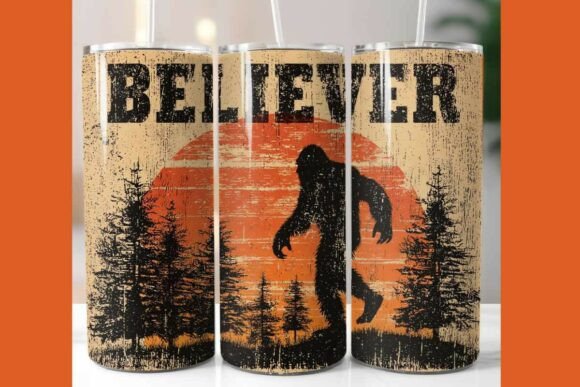
When I first opened the file for the Big Foot Believer Tumbler Wrap, I didn't just see a graphic; I saw a conversation starter. As someone who has spent years refining embroidery files for boutique clients and personal projects, my initial reaction is always about utility and visual impact. This design isn't your average generic woodland creature. It carries a specific, playful energy that immediately suggests it belongs on items meant to be seen and handled. The layout feels balanced, capturing the essence of a Sasquatch with enough character to stand out without overwhelming the viewer.
I approached this review with a practical mindset. I wasn't looking for marketing fluff; I wanted to know how this machine embroidery design would translate from a digital preview into a tangible, stitched reality. Would it hold up in a small hoop? How would the details read on different fabrics? In my experience, the difference between a good design and a great one often comes down to how well it adapts to the constraints of real-world stitching.
First Impressions and Visual Personality
The moment you look at the Big Foot Believer Tumbler Wrap, the mood is clear: whimsical yet rugged. The shape of the figure is distinct, avoiding the overly cartoonish look that can sometimes cheapen a handmade product. Instead, it strikes a balance that appeals to both serious crafters and casual hobbyists. For a designer, the "personality" of a file is crucial because it dictates where the final product will live. This design screams outdoor adventures, camping gear, or rustic home decor.
The detail level is impressive for a design intended to wrap around a cylindrical surface like a tumbler. Usually, wrapping designs suffer from distortion issues, but the artist behind this piece seems to have accounted for the curvature. The lines are clean, suggesting that the satin stitch work will lay flat against the fabric. If you are an Etsy seller looking for something unique to differentiate your shop, this design offers a niche appeal that stands out among the sea of standard floral or geometric patterns.
Real-World Application: A Case Study
To truly understand the potential of the Big Foot Believer Tumbler Wrap, let's imagine a real-life scenario. Picture yourself preparing a custom gift for a client who runs a local hiking group. They want embroidered tote bags for their annual retreat. You decide to test this design on a sturdy canvas tote. The challenge here is ensuring the design fits the bag's dimensions while maintaining its integrity.
When I ran a mockup simulation in my head, the design looked fantastic centered on the front panel of the bag. The width allows for a bold statement without needing excessive hooping. However, if I were to try this on a baby onesie, I would need to reconsider the scale. The same design that looks majestic on a large tote might feel cluttered on a tiny garment unless the stitch count is adjusted. This highlights why understanding the hoop size and fabric texture is so critical before hitting the "start" button on your machine.
Another scenario involves creating a set of matching kitchen towels for a holiday gift basket. The rustic nature of the Bigfoot theme pairs perfectly with linen or cotton blends often used for tea towels. The design adds a touch of humor and warmth to a functional item, making it a perfect personalized gift. Customers love items that tell a story, and a Bigfoot design naturally invites questions and smiles, enhancing the perceived value of your handmade product.
Performance on Various Fabrics and Surfaces
Not all fabrics play nice with every embroidery file, and knowing where to apply caution is part of being a professional. The Big Foot Believer Tumbler Wrap features a mix of fill stitches and likely some satin outlines. On smooth, stable fabrics like polyester blends found in tumblers or performance wear, the stitching should be crisp and vibrant. The thread colors chosen for this design appear to offer good contrast, which is essential for visibility.
However, there are areas where you must be careful. If you attempt to use this design on stretchy knit fabrics without proper stabilizer, the tension could cause puckering, ruining the silhouette of the Bigfoot. Similarly, textured fabrics like heavy fleece or bouclé might hide the finer details of the face or claws. In these cases, the design might lose some of its charm, turning into a vague blob rather than a defined character.
Dense stitch areas are another consideration. If the design includes large blocks of fill stitch, testing on scrap fabric is non-negotiable. You need to ensure the density isn't too high, which can make the fabric stiff and uncomfortable, especially for items like sweatshirt embroidery or baby clothes. Conversely, if the density is too low, the underlying fabric might show through, giving the finished product a cheap appearance.
Strategic Placement and Limitations
While the Big Foot Believer Tumbler Wrap is versatile, it is not a one-size-fits-all solution. Curved surfaces like caps present a significant challenge. While designed for a straight tumbler, adapting it for a curved cap requires precise digitizing adjustments to prevent the image from stretching unnaturally. If you are an apparel decorator, you might find it better suited for flat surfaces like aprons, pillow covers, or patches.
Small hoop sizes are also a limitation. If your machine only accommodates a 4x4 hoop, you may need to split the design or crop it, which could cut off important elements of the artwork. Always check the recommended hoop size before purchasing or using the file. Additionally, dark fabrics require a light underlay or a specific thread color palette to ensure the design pops. If the original file assumes a white background, you may need to adjust the thread colors or add a contrasting border to maintain visibility.
Designer Notes for Success
Before you commit this design to a commercial project, there are several technical steps you must take. First and foremost, test the design on scrap fabric first. This simple step saves hours of frustration and wasted materials. Check the thread color contrast by reviewing the design in black and white mode within your software; this helps you visualize how the stitches will interact with different fabric tones.
Inspect the small details closely. Are the eyes sharp? Is the text legible? Sometimes, what looks fine on a screen becomes blurry when stitched at a smaller scale. Review the stitch density to ensure it matches the weight of your fabric. Using the proper stabilizer is equally vital; a tear-away might not be enough for a heavy-duty project, whereas a cut-away provides stability for delicate items.
For those selling finished goods, confirm the licensing terms explicitly. Does the purchase allow for commercial embroidery? Can you sell unlimited items, or is there a cap? These details define whether this digital embroidery file is a viable asset for your craft business. Also, consider creating printable mockups to showcase the design to customers before production, ensuring they understand the final look and feel.
Final Verdict on Design Assets
The Big Foot Believer Tumbler Wrap is more than just a cute graphic; it is a robust tool for creative entrepreneurs. Its strong visual personality makes it ideal for holiday embroidery, custom apparel, and unique small shop products. When executed correctly, it elevates the professionalism of your brand and engages buyers who appreciate quirky, high-quality designs.
By paying attention to fabric selection, stabilizer usage, and proper testing, you can turn this digital asset into a stunning finished product. Whether you are decorating a tote bag design for a festival or adding a patch to a denim jacket, this design offers a fun, reliable option that stands the test of time. Just remember to respect the technical limitations of embroidery and always prioritize quality control to build trust with your customers.