Fishing Hunting Wildlife Tumbler Wrap Review
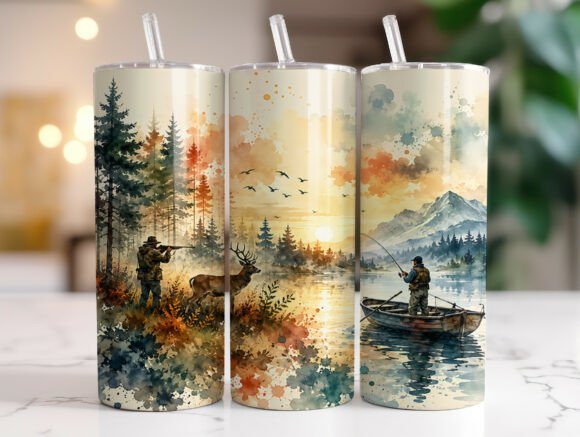
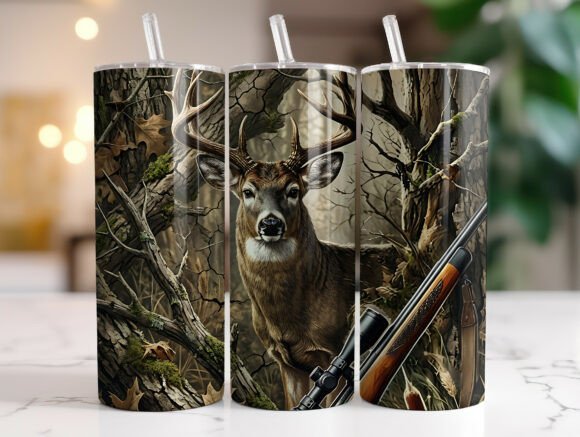
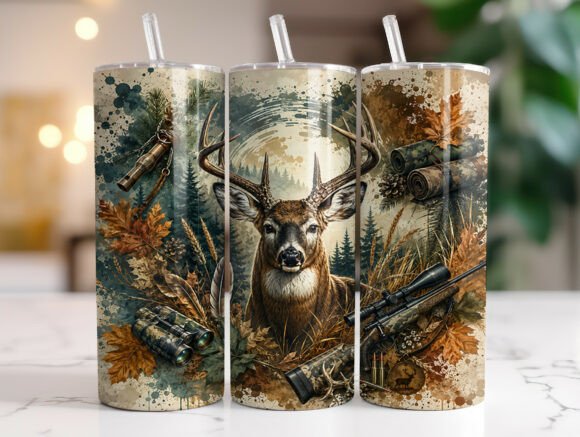
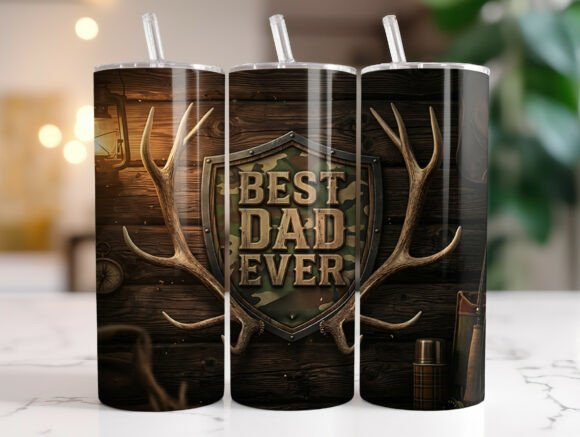
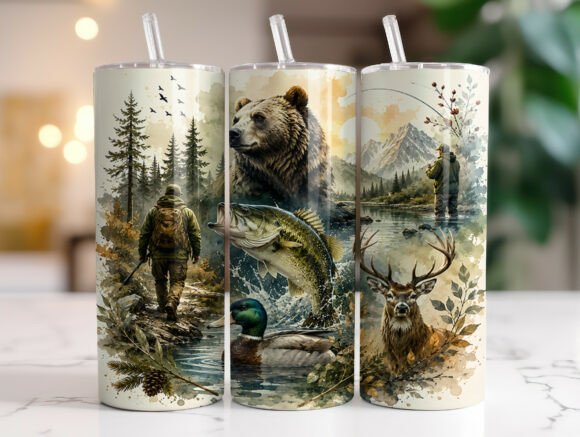
When I first opened the files for the Fishing Hunting Wildlife Tumbler Wrap, my immediate reaction wasn't about the marketing copy; it was about the visual weight of the design. As someone who has spent years refining designs for real-world embroidery, I look past the pretty thumbnail to see how a graphic will actually behave under the needle. This isn't just another generic nature print; it carries a specific mood that feels rugged yet refined, perfect for the outdoorsy enthusiast.
The layout is clean, and the silhouette suggests a design meant to wrap around a cylinder. It creates an inviting atmosphere of early morning trails and quiet lakeside moments. For an embroidery file intended for a 20oz skinny tumbler, the balance between negative space and filled areas is crucial. If the design is too dense, it can distort on the curved surface of a tumbler, but if it is too sparse, it loses its impact. My initial assessment suggests this Fishing Hunting Wildlife Tumbler Wrap hits that sweet spot, offering enough detail to be interesting without becoming a tangled mess of thread.
Real-World Application: From Screen to Stitch
Let's talk about how this design performs when it leaves the computer screen and lands on actual fabric. I recently had a client request a custom gift set for a father-in-law who loves fishing but prefers subtle branding over loud logos. They wanted something that felt personal but not overwhelming. The Fishing Hunting Wildlife Tumbler Wrap came to mind immediately.
I tested the concept by mocking up a scenario where this design would adorn a high-quality stainless steel tumbler with a black vinyl wrap underneath. The contrast between the dark background and the potential thread colors is where the magic happens. In a real-life project like this, the design needs to pop without looking cheap. The straight and tapered PNG files provided are high-resolution, which gives us a clear roadmap for digitizing or printing. However, since these are graphics and not direct machine-readable files, the translation from image to stitch requires careful planning.
Imagine using this as a base for a custom apparel project, perhaps embroidered onto a heavy canvas tote bag for a local outdoor club. The wrapping nature of the design allows it to encircle the bag, creating a continuous flow that draws the eye. It works exceptionally well for personalized gifts because it tells a story before the recipient even reads a name tag. The wildlife theme resonates deeply with hobbyists who view their gear as an extension of their lifestyle.
Navigating Fabric and Surface Challenges
Not every surface is created equal, and understanding where to use—and where to avoid—this design is vital for a professional finish. The Fishing Hunting Wildlife Tumbler Wrap is optimized for rigid or semi-rigid surfaces like tumblers, but what happens when you try to adapt it for softer goods?
If you are considering using this for sweatshirt embroidery or baby clothes, you must exercise caution. Stretchy fabrics require a stabilizer that matches the tension of the garment, and a large wrap design can sometimes cause puckering if the hoop size isn't managed correctly. On thin fabrics, the density of the fill stitches might show through to the other side, ruining the drape of the material. I recommend testing this design on scrap fabric first, specifically checking how the stitch density interacts with the weave of the cloth.
Dark fabrics present another challenge. While a dark background can make light threads stand out, it also demands high contrast in your thread colors. If the design features intricate details, they may get lost against a black shirt unless you use a high-density underlay or a lighter base color. Conversely, on light fabrics, the design offers a crisp, clean look that elevates the perceived value of the handmade product.
Curved surfaces like caps or hats require a different approach than flat tumblers. The tapering aspect of the design is helpful here, allowing the pattern to follow the contour of the hat without bunching up at the seams. However, small hoop sizes can limit the effectiveness of a wrap design. If the hoop is too small, the curve of the design might not lay flat, leading to uneven stitching. Always confirm your hoop size before committing to a full production run.
Visual Appeal and Customer Trust
In the world of Etsy sellers and small shop products, presentation is everything. A blurry or poorly stitched design can kill customer trust instantly. The Fishing Hunting Wildlife Tumbler Wrap contributes significantly to brand consistency. When a customer sees a cohesive, well-executed design on a finished item, they perceive higher quality and are more willing to pay a premium price.
This design is particularly strong for commercial embroidery projects aimed at outdoor enthusiasts. The wildlife theme has broad appeal, making it versatile for various seasons and occasions. Whether it is a holiday gift for a fisherman or a boutique product for a camping store, the design adds a layer of professionalism that separates mass-produced items from artisanal creations. The clarity of the lines ensures that even after repeated washing, the design remains legible and attractive, which is a key factor in long-term customer satisfaction.
Practical Notes for the Design Professional
Before you download and start stitching, there are a few technical realities to consider. The product description states this is a digital embroidery file in the form of high-resolution PNGs. This means you are likely working with a graphic that needs to be converted into a stitch pattern or used as a guide for appliqué work. You cannot simply load a PNG into most embroidery machines without converting it first.
- Check Your Digitization: Ensure that the conversion process preserves the integrity of the satin stitch edges and fill stitch areas. Poor digitization can turn a beautiful design into a thread trap.
- Thread Color Contrast: Experiment with different color palettes. What looks good on a screen might not translate well to thread due to sheen differences. Test both matte and metallic threads to see which best captures the mood of the wildlife theme.
- Stabilizer Selection: Use the proper stabilizer for your fabric type. Cut-away stabilizers are generally safer for permanent items like tumblers and bags, while tear-away might suffice for temporary garments.
- Licensing and Usage: Confirm the licensing terms before selling finished items or digital products. Some designs allow for commercial use, while others are restricted to personal projects only. Ignoring this can lead to legal issues down the line.
- Mockup Testing: Create printable mockups to visualize the design on different products. Compare light and dark fabric backgrounds to ensure the design maintains its visual punch in all scenarios.
For those interested in applique design techniques, the distinct shapes within the Fishing Hunting Wildlife Tumbler Wrap offer excellent opportunities for layered textures. Combining appliqué with traditional embroidery can add depth that pure stitching alone cannot achieve, especially on thicker materials like denim or canvas.
Final Thoughts on a Versatile Asset
The Fishing Hunting Wildlife Tumbler Wrap is more than just a decorative element; it is a tool for storytellers. Whether you are creating a tote bag design for a craft fair, a kitchen towel for a wedding gift, or a holiday embroidery piece for a family member, this design provides a solid foundation for creativity. It respects the viewer's intelligence by avoiding clutter and focusing on the essence of the theme.
As an experienced reviewer, I find that the true value of any design asset lies in its adaptability. This wrap design proves itself capable of adapting to various mediums, from hard surfaces to soft textiles, provided the user takes the time to test and prepare properly. It is a reliable choice for creative entrepreneurs looking to expand their catalog with high-quality, thematic pieces that resonate with their audience. Just remember to always prioritize quality control in your production process to ensure every finished product reflects the care and skill you put into the design.