Poppy Flower Tumbler: A Designer's Real-World Review
When I first opened the file for Poppy Flower Tumbler, my initial reaction was a mix of curiosity and caution. As someone who has spent years reviewing digital assets for commercial use, I know that a pretty image on a screen does not always translate to a beautiful stitched result. This design falls under the Crafts and Graphics categories, but it is marketed specifically as an engraving laser tumbler wrap. However, for those of us in the embroidery world, the question remains: can this visual concept be adapted into a viable machine embroidery design for real projects? Let's dive into how this design holds up when we move from the digital mockup to the actual hoop.
The First Impression: Mood and Visual Personality
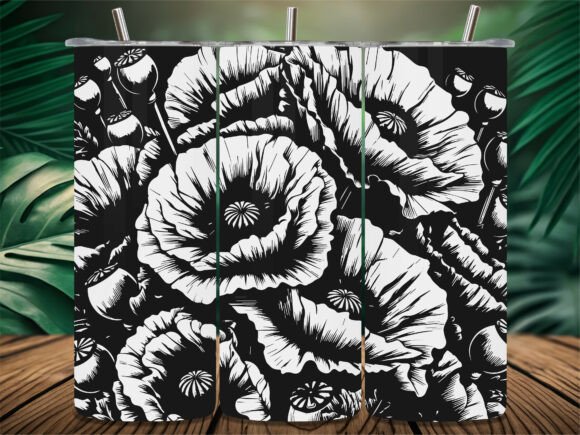
The Poppy Flower Tumbler immediately evokes a sense of warmth and natural beauty. The poppy is a classic motif, often associated with remembrance, passion, or simply the arrival of spring. In its current form as a full-wrap graphic, it suggests a continuous flow that would look stunning if executed correctly. The layout feels organic rather than rigid, which is exactly what you want in a handmade product. It doesn't scream "mass-produced"; instead, it whispers "crafted with care."
For a designer looking to create personalized gifts or boutique merchandise, this theme offers incredible versatility. Imagine a set of matching tumblers for a bridal party, or perhaps a custom apron for a home baker who loves gardening. The visual personality of the poppy allows it to fit seamlessly into various aesthetics, from rustic farmhouse to modern chic. However, before you commit to using this as a primary design asset, you must consider how the intricate details of the flower will translate into thread. A sharp vector line looks great in software, but does it have enough room for a satin stitch without becoming a muddy blob?
Real-Life Application: From Screen to Stitch
To truly evaluate the potential of Poppy Flower Tumbler, let's imagine a specific scenario. I recently received a request from a small business owner to create a limited run of embroidered tote bags for a local flower market. She wanted something unique that stood out against the plain canvas. We considered using the Poppy Flower Tumbler concept. The idea was to adapt the full-wrap nature of the original laser file into a vertical placement on the side of the tote bag.
If we were to execute this as a machine embroidery design, the results could be exceptional. The flowing petals of the poppy would work beautifully with a combination of satin stitches for the outlines and fill stitches for the inner color areas. On a sturdy cotton canvas tote, the design would add significant value. Customers browsing at a craft fair are drawn to items that show texture and depth. A well-stitched poppy adds a tactile element that a printed logo simply cannot match. It elevates a standard $10 tote bag into a $35 premium item, justifying the price point through perceived quality.
This same logic applies to other products like sweatshirts or baby onesies. For a nursery decor item, the soft curves of the poppy design would create a gentle, welcoming vibe. If placed on a light-colored baby blanket, the contrast provided by the thread colors would make the flowers pop without being overwhelming. The key here is understanding that while the original file is designed for laser engraving on tumblers, the artistic composition is transferable to textile arts. It serves as a robust foundation for creating a cohesive brand identity across different product lines.
Where Caution is Required
Despite its potential, there are several areas where Poppy Flower Tumbler requires careful consideration before stitching. One of the biggest challenges lies in the density of the design. Poppy flowers can be quite detailed, with delicate petals and fine veins. If the original file contains too many tiny details intended for a laser beam, they may disappear entirely when converted to embroidery threads.
We need to be particularly careful when applying this design to small hoop sizes or textured fabrics. If you attempt to stitch this on a thin, stretchy fabric like a jersey knit cap without proper stabilizer, the tension required for the satin stitches could cause the fabric to pucker. This is especially true for curved surfaces. While the original description mentions a seamless finish for tumblers, a cap has a complex curvature that changes the way the needle penetrates the material. What looks flat on a cylinder might distort on a dome shape.
Furthermore, dark fabrics present a unique hurdle. To ensure the poppies stand out, you would likely need to use a lighter thread color or apply a heavy underlay. Without the correct setup, the design could get lost against the background, reducing the professional look of the finished product. Additionally, if the design includes any tiny lettering or very fine decorative accents, these elements are prone to breaking down during the washing process. For items like kitchen towels or aprons that see frequent laundering, simpler designs often hold up better over time. Always inspect the small details in your design file to ensure they are large enough to be stitched reliably.
Impact on Brand and Customer Trust
In the world of Etsy sellers and creative entrepreneurs, the quality of your finished product directly impacts customer trust. A sloppy stitch job or a design that looks distorted can ruin the reputation of a handmade shop. Conversely, a clean, well-executed Poppy Flower Tumbler design signals professionalism. It shows that you pay attention to detail and care about the final presentation.
When a buyer receives a gift, such as a personalized pillow cover or a custom embroidered patch, the emotional connection is heightened by the craftsmanship. The poppy theme carries its own weight; it is recognizable and universally liked. By using this design effectively, you tap into that positive association. It enhances the giftability of your product and makes it more shareable on social media platforms. High-quality embroidery photos of the poppy design can drive engagement and sales, turning a simple craft item into a desirable commodity.
Practical Notes for the Embroidery Designer
Before you start stitching, there are essential steps you must take to ensure success. First and foremost, test the design on scrap fabric. Do not assume that because it works in a digital preview, it will work in reality. Check the thread color contrast against your chosen fabric texture. Sometimes a design that looks vibrant on a monitor appears dull in person due to the sheen of the thread or the weave of the cloth.
You must also review the stitch density. If the file is too dense, it will be stiff and uncomfortable to wear. If it is too sparse, it may lack definition. Confirm your hoop size early in the process; a design meant for a large area might need to be split or resized for smaller hoops. Inspect the small details closely—are the petals distinct, or do they merge together? Test the design in black and white mockups to see if the contrast holds up without relying on color perception.
Finally, remember to use the proper stabilizer. The type of stabilizer you choose can make or break the project, especially on stretchy or delicate materials. Before selling finished items or offering this as a digital product, confirm the licensing terms. Ensure you have the right to use the design for commercial purposes. If the original file is strictly for personal use, you cannot sell the embroidered versions. Verify whether the design works for both personal and commercial projects, and check if the file formats are compatible with your specific embroidery machine. If the original description mentions "laser projects," you may need to digitize the artwork yourself to convert it into a usable machine embroidery file.
By approaching Poppy Flower Tumbler with a critical eye and a practical mindset, you can transform a simple graphic into a standout piece of art. Whether you are decorating a holiday gift or building a boutique brand, the effort you put into perfecting the execution will pay off in the quality of your finished product.