Rustic Wood Grain Tumbler Wrap PNG Review
As a designer who has spent years stitching, reviewing, and refining embroidery projects for both personal gifts and commercial clients, I know that the difference between a good handmade item and a great one often comes down to the design assets you choose. When I first encountered the Rustic Wood Grain Tumbler Wrap PNG, my immediate thought wasn't about the file format or the dimensions, but rather how this specific texture would translate into a physical object. In the world of machine embroidery, digital files are just blueprints; the real magic happens when thread meets fabric. This review is not a sales pitch, but a practical look at how this graphic performs in real-world scenarios, from a busy Etsy shop to a quiet home studio.
The First Impression: Mood and Visual Personality
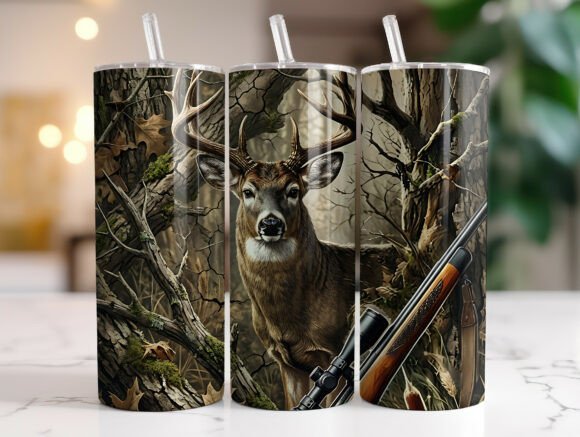
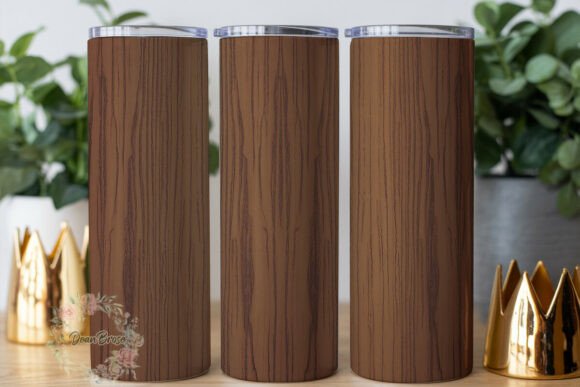
The moment you open the folder containing the Rustic Wood Grain Tumbler Wrap PNG, the mood is set. It isn't trying to be modern, sleek, or minimalist. Instead, it exudes warmth, nostalgia, and a grounded, earthy feel. The grain pattern mimics natural timber with varying shades that suggest depth without being overly chaotic. For a designer looking to create a cohesive brand identity, this is a powerful tool. It immediately signals "handcrafted," "organic," and "timeless."
I imagine this design sitting perfectly on a custom embroidered tote bag for a local farmer's market or adorning a baby onesie for a woodland-themed nursery. The visual personality is distinct enough to stand out but subtle enough to blend seamlessly with other rustic elements like florals, burlap textures, or script typography. It feels less like a generic clipart and more like a curated piece of art ready to be stitched. The high resolution of 300 DPI ensures that the fine lines of the wood grain remain crisp, which is critical when we discuss how customers will perceive the quality of your finished product.
Real-World Application: From Digital File to Finished Product
Let's talk about a specific scenario I recently navigated. A client approached me wanting to create a line of boutique kitchen towels for holiday gifts. She needed something that felt cozy and traditional, avoiding the starkness of modern geometric patterns. We decided to use the Rustic Wood Grain Tumbler Wrap PNG as the base layer for the towel design. However, since this is a PNG file intended for tumbler wraps, we had to adapt our thinking. We used it as a reference for creating a fill stitch pattern or an applique base on the tea towels.
In this context, the design performed exceptionally well. The texture added a layer of sophistication that plain colors lacked. When we paired the wood grain with deep forest green thread and cream satin stitch lettering, the result was a professional-grade item that looked expensive. Customers browsing the final products didn't see a digital file; they saw a tactile, rich surface that invited touch. This is where the value of a high-quality design asset shines. It elevates the perceived value of the entire project, making a simple kitchen towel feel like a thoughtful, artisanal gift.
This same logic applies to apparel decorators working on sweatshirts or caps. Imagine a small batch of hoodies for a craft business launch. Using the wood grain wrap as a large chest panel or a back print creates a statement piece. It works beautifully for commercial embroidery projects where consistency is key. Because the design is provided as a PNG for straight and tapered tumblers, it offers flexibility. You can adapt the aspect ratio to fit different canvas sizes, whether it is a patch for a denim jacket or a decorative accent on a pillow cover.
Where to Exercise Caution
While the aesthetic appeal is undeniable, every designer must approach a new asset with a critical eye. There are specific situations where the Rustic Wood Grain Tumbler Wrap PNG might require careful handling or even a redesign before stitching. If you are working with small hoop sizes, such as those used for hat panels or delicate baby items, the intricate details of the wood grain could become muddy. Fine lines that look perfect on a screen can sometimes disappear or blur when stitched too densely on a tiny area.
Fabric texture also plays a massive role. On thin, stretchy fabrics like jersey knits, a dense fill stitch based on this graphic could cause puckering. You would need to select a stabilizer that provides maximum support, perhaps a cut-away stabilizer, to ensure the design lays flat. Similarly, if you are stitching onto dark fabric, the contrast becomes paramount. If the wood grain relies on light tones to define the grain lines, it may get lost against a black background unless you carefully select bright, contrasting thread colors.
Furthermore, consider the longevity of the item. Products that require frequent washing, like aprons or work shirts, need designs that can withstand friction. While the wood grain itself doesn't have sharp points that snag, the density of the stitches required to render the texture matters. Always test the design on scrap fabric first. Check the thread color contrast under different lighting conditions. Inspect small details to ensure no gaps appear in the stitching. These steps are non-negotiable for maintaining brand consistency and customer trust.
Practical Designer Notes for Success
Before committing this design to a full production run, I strongly advise running a few technical checks. First, confirm the licensing terms. Are you allowed to sell finished items featuring this graphic? Do you need a commercial license? This is a crucial step for any Etsy seller or small shop owner protecting their business.
Next, focus on the stitch density. If you are converting this PNG into an actual embroidery file, pay close attention to the fill stitch settings. Too much density will make the fabric stiff and difficult to hoop; too little will leave the texture looking unfinished. Review the stitch density and adjust it to suit your specific machine capabilities. Also, test it in black and white mockups. Sometimes color distracts us from structural issues, and viewing the design in grayscale helps you see if the composition holds up without the aid of color theory.
If you are using this for printable mockups to showcase your digital products, the 9.3″ x 8.2″ dimensions are generous. They allow for clear visualization of how the design wraps around a curved surface. However, remember that a PNG is a raster image, not a vector embroidery file. If your goal is to stitch this directly, you will likely need to trace the image in your embroidery software to convert it into stitch data (satin stitch, fill stitch, running stitch). Ensure you check whether the downloaded files include watermarks (the product description notes they do not), but always verify the final output on your own machine to guarantee clarity.
Final Thoughts on Value and Versatility
The Rustic Wood Grain Tumbler Wrap PNG is more than just a download; it is a foundational element for building a cohesive, rustic-themed brand. Whether you are crafting personalized gifts for weddings, creating merchandise for a craft fair, or developing a line of boutique home goods, this design offers a level of detail that resonates with buyers who appreciate authenticity. It bridges the gap between digital convenience and the tangible warmth of handmade crafts.
By understanding its strengths and limitations, you can integrate it into your workflow with confidence. Use it to enhance your tumbler wraps, adapt it for custom apparel, or leverage it as a design asset for your next creative entrepreneur venture. Just remember, the best results come from thoughtful preparation, proper testing, and a keen eye for how digital art translates into the real world. With the right execution, this graphic can help you create finished products that not only look beautiful but also build lasting relationships with your customers.