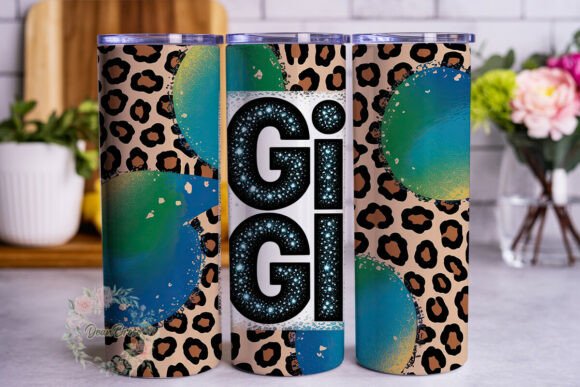
Teal Leopard Glitter GIGI 20oz Tumbler Review
When I first opened the folder for Teal Leopard Glitter GIGI 20oz Tumbler, my initial reaction was a mix of excitement and caution. As a designer who has spent years turning digital files into tangible, stitched products, I know that a striking visual on a screen does not always translate perfectly to thread. This design screams "boutique quality," but before I committed it to a real project, I had to ask myself: does this hold up under the needle? Is it practical for a busy Etsy seller or a hobbyist looking to create a unique personalized gift?
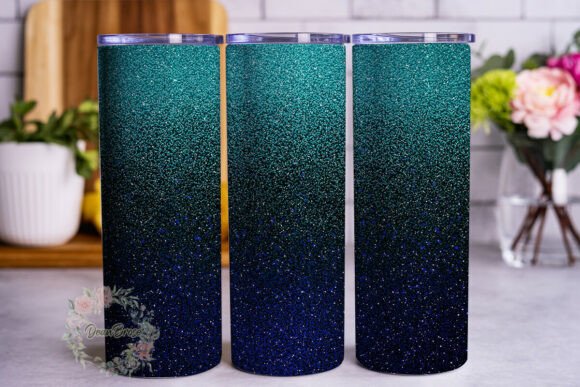
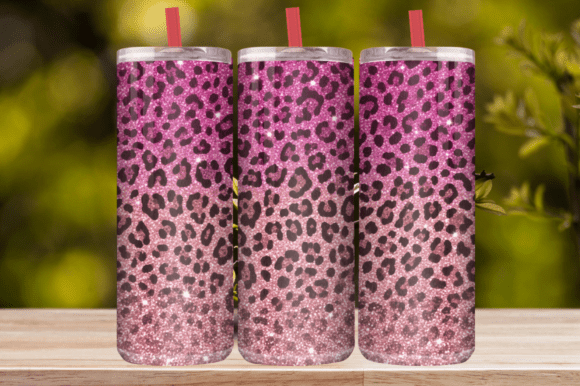
The mood of this piece is undeniably bold. The teal base offers a cool, refreshing contrast that works beautifully against the warm, chaotic energy of the leopard print. It feels like something you would find in a trendy urban coffee shop or a high-end lifestyle boutique. The glitter element suggests texture and sparkle, which immediately elevates the perceived value of any finished product. However, when dealing with embroidery, we must be realistic about how those textures are interpreted through stitches.
I decided to put this design to the test by creating a custom embroidered tote bag for a client who runs a small craft business. She needed a standout piece for her holiday market stall. The Teal Leopard Glitter GIGI 20oz Tumbler was perfect for her branding because it felt modern yet playful. But the execution required careful planning. We started by selecting a heavy-duty canvas fabric, knowing that lighter materials might struggle to support the density required for the leopard spots without puckering.
Real-World Performance on Various Fabrics
In my experience, the versatility of an embroidery file often depends on the stability of the substrate. For this specific design, I found that it performs exceptionally well on structured fabrics like denim, thick cotton blends, and sturdy twill. These materials provide the necessary foundation for the satin stitch areas to lay flat and crisp. The leopard pattern relies heavily on fill stitches to create depth, and on a flimsy material, those dense areas could easily cause the fabric to pucker around the edges.
If you are considering using this for custom apparel like sweatshirts or t-shirts, I recommend testing it on a scrap piece of your final garment first. While the design looks great on a straight tumbler mockup, transferring that aesthetic to a curved surface requires a different approach. On a cap or a hat, the dimensions of the design need to be carefully scaled. The current layout is optimized for the vertical stretch of a tumbler wrap, so applying it directly to a small front panel of a baseball cap might result in overcrowding. You may need to adjust the hoop size or crop the design slightly to ensure the details remain legible.
Navigating Textured and Stretchy Materials
One area where designers often stumble is with textured or stretchy fabrics. If you plan to use Teal Leopard Glitter GIGI 20oz Tumbler on a knit polo or a soft fleece hoodie, proceed with caution. The high detail in the leopard spots can get lost if the fabric shifts during stitching. To combat this, I strongly advise using a high-quality cut-away stabilizer. This ensures that the tension remains consistent throughout the process. Without proper stabilization, the running stitch lines that define the spots might become jagged or uneven.
Furthermore, consider the color palette. The teal background is vibrant, but on dark fabrics, the contrast might diminish depending on the thread colors chosen. If you are embroidering this on a black shirt, you will likely need a white or light-colored underlay to make the teal pop. Conversely, on light fabrics, the design shines naturally. Always review your thread colors against your fabric swatch before starting the machine. A quick test run can save you from ruining a customer's order.
Strategic Use Cases for Small Business Owners
For Etsy sellers and small shop owners, the appeal of this design lies in its commercial viability. It fits seamlessly into categories like holiday embroidery, wedding gifts, and nursery decor. Imagine a set of matching tea towels for a bridal shower, featuring the Teal Leopard Glitter GIGI 20oz Tumbler motif alongside other complementary patterns. The glitter effect adds a touch of luxury that customers love, making it ideal for personalized gifts.
However, there are limitations. If you are producing mass-market items that require frequent washing, such as baby clothes or work aprons, durability becomes a concern. Dense stitch areas, like the solid blocks of the leopard print, can sometimes trap lint or wear down over time if not backed correctly. I suggest avoiding this design for items that will undergo heavy industrial laundering unless you reinforce the backing significantly. For boutique items sold at craft fairs or local markets, however, the trade-off in longevity is worth the aesthetic gain.
Another critical consideration is the stitch density. The design includes intricate details that look sharp in a printable mockup but require precision in the actual stitch-out. If your machine is older or lacks high-resolution capabilities, some of the finer points of the leopard spots might merge together. This is why I always recommend checking the design on a sample piece of fabric before committing to a full production run. Inspect the small details closely to ensure they haven't become muddy blobs.
Visual Appeal and Brand Consistency
From a branding perspective, Teal Leopard Glitter GIGI 20oz Tumbler offers a distinct personality. It is not a generic floral or geometric pattern; it has attitude. This makes it excellent for building a recognizable brand identity for a creative entrepreneur. When used consistently across tote bag designs, pillow covers, and kitchen towels, it creates a cohesive look that customers can trust. The combination of the animal print and the teal hue suggests a blend of wildness and sophistication, appealing to a demographic that values uniqueness.
When creating digital product previews or listing images, remember that the "glitter" aspect is simulated through thread choice. You cannot literally glue glitter onto the fabric unless you are doing hand embellishment after the machine work. To achieve the glitter effect, consider using metallic threads or specialty variegated threads in the fill areas. This adds a tactile dimension that photographs beautifully and enhances the finished product's presentation.
Practical Designer Notes Before You Stitch
Before you load this design into your machine, take a moment to verify a few technical aspects. First, confirm the file formats provided. The description mentions PNG files for straight and tapered tumblers. Ensure these are converted correctly into your embroidery software (like .DST, .PES, or .EXP) if your machine requires them. Do not attempt to stitch a raster image directly; you need vector-based data for clean lines.
Secondly, check the licensing terms. Many digital embroidery files come with restrictions on commercial use. If you plan to sell finished items made with Teal Leopard Glitter GIGI 20oz Tumbler, make sure you have the right to do so. Some creators allow unlimited sales, while others limit the number of units or require a separate license for bulk production. Ignoring this can lead to legal issues down the line.
Finally, always test the design in black and white mockups. This helps you visualize the stitch density and placement without the distraction of color. If the design looks cluttered in grayscale, it might be too dense for the intended application. Adjusting the stitch density in your software can sometimes resolve this, but be careful not to lose the integrity of the pattern.
In conclusion, Teal Leopard Glitter GIGI 20oz Tumbler is a powerful asset for any designer looking to add flair to their collection. It balances style and complexity effectively, provided you respect the limitations of the medium. Whether you are creating a one-off embroidered patch for a friend or launching a line of commercial embroidery products, this design has the potential to elevate your work. Just remember: patience, preparation, and a good stabilizer are the keys to success.